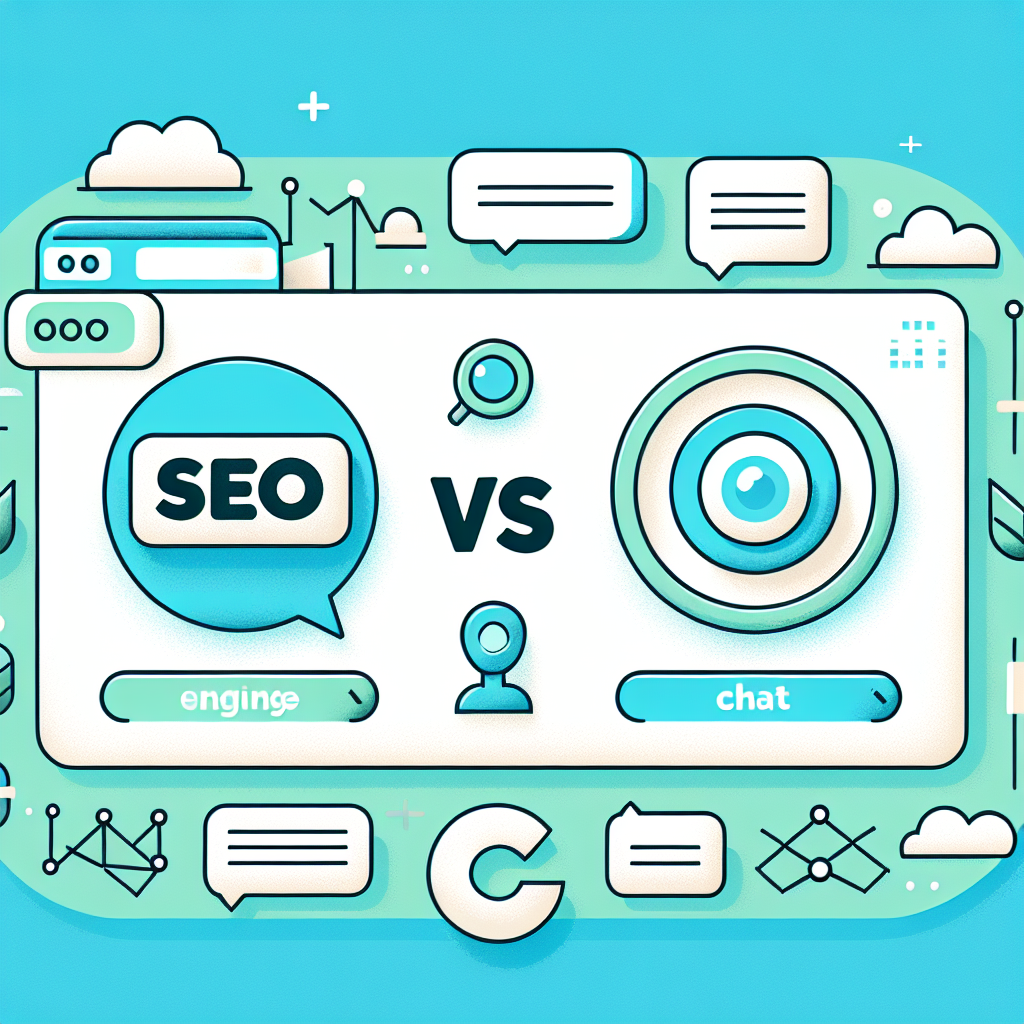
Forget SEO, It's Time for GEO (AI Search Optimization)
"We'll get you to page 1 of Google." This has been the golden rule of marketing for decades. But the world has shifted.
Now, instead of typing keywords and clicking through blue links, people are asking ChatGPT or Claude and getting direct answers. Even if you are on page 1 of Google, if AI doesn't mention you in its answer, you are effectively invisible.
Welcome to the new game: GEO (Generative Engine Optimization). Here is an FAQ guide on how to "spoon-feed" your content to AI so it recommends you.
FAQ
Q1. What is the key difference between SEO and GEO?
SEO (Search Engine Optimization) is about convincing a 'Search Engine' to rank your link higher. Keywords and backlinks were king.
GEO (Generative Engine Optimization) is about convincing a 'Generative AI' to read, understand, and summarize your content directly to the user. AI models value logical structure, clear facts, and authoritative citations over keyword stuffing.
| | SEO (Past ~ Present) | GEO (Present ~ Future) | | :--- | :--- | :--- | | Goal | Rank high in search links (Clicks) | Be cited in AI answers (Trust) | | Key | Keywords, Backlinks | Structured Data, Authority, Clarity | | Reader | Bots + Humans | AI Models + Humans |
Q2. Why is the FAQ format better for GEO?
AI (LLMs) loves the [Question] - [Answer] pattern found in its training data. When you structure your post as an FAQ, the AI clearly recognizes, "Ah, this is the definitive answer to that question."
Later, when a user asks an AI a similar question, the model is highly likely to cite your properly structured answer. Compared to long, rambling paragraphs, clear Q&A structures are "delicious" data for AI.
Q3. How do I ensure AI understands my content perfectly? (JSON-LD)
Humans see design; AI bots read code (HTML). Your most powerful weapon here is JSON-LD (Structured Data).
It involves summarizing your content into a machine-readable JSON format and embedding it in your code. It's like giving the AI a cheat sheet:
"This part is the question, and this part is the answer. Don't get confused."
Q4. Can you show me a JSON-LD code example?
Simply add a script like this to the bottom of your blog post. (We use this at SiteSnapshot too!)
<script type="application/ld+json">
{
  "@context": "https://schema.org",
  "@type": "FAQPage",
  "mainEntity": [{
    "@type": "Question",
    "name": "What is GEO (Generative Engine Optimization)?",
    "acceptedAnswer": {
      "@type": "Answer",
      "text": "It is the process of optimizing content so that generative AI engines (like ChatGPT, Perplexity) can easily understand, summarize, and cite it in their responses."
    }
  }, {
    "@type": "Question",
    "name": "Why is JSON-LD important?",
    "acceptedAnswer": {
      "@type": "Answer",
      "text": "JSON-LD structures content in a machine-readable format, helping AI models verify the accuracy of information and increasing the likelihood of citation."
    }
  }]
}
</script>
This not only helps with AI but also increases your chances of getting a "Featured Snippet" on Google.
Conclusion: Optimize for Machines to Reach Humans
It is ironic, but to reach more humans today, you must be more considerate of machines (AI).
Don't let your great content get lost in the AI era. Start using JSON-LD and structured writing today. SiteSnapshot cheers for your website to be loved by both humans and AI.